Does Skinners theory back up Rachaels first words?
Rachaels first words support Skinners theory because the majority of Racheals words are words that would often be repeated in her daily routine by her parents/careers, meaning that she would be able to imitate them and learn them for rewards. Eg her parents would probably often say to her 'more?' as in if she wants more food etc. and she would repeat it learning that when she says it, she would be rewarded by getting more.
Words such as 'mummy' and 'daddy' also support Skinners theory, when she repeats the words she would be rewarded by the parents going to her etc. They are words that would most likely be the most often heard in her daily routine too.
But also; one of Rachaels first words is 'wassat' which shows she is trying to repeat words she has heard, the missing sounds are the least stressed words which shows that she is listening and trying to repeat the words by listening to the sounds made. Skinners theory said that children learn through language by repeating words and then receiving rewards (positive reinforcement), and this supports it as she is clearly trying to repeat words that she has heard before.
Friday, 26 September 2014

Friday, 12 September 2014
Child language acquisition:
What does this say about how a child learns language?
The words in the categories tell us that children learn nouns quicker than any other category. This may be due to these words being used more often. Nouns are probably more incorporated within the child's daily routine, meaning they hear them more and can more easily put the word and object together. For example. two of the child's first words are 'sock' and 'shoe' this could be explained by every time a parent and the child leave the house, the parent could say 'now we must put on your shoes' and then carrying out the action of putting on the child's shoes places the object and the word together for the child. Being able to have a physical meaning behind the word that the child can associate together is probably more easily remembered/learnt than a word that is more of a concept, eg something being too hot.
The lack of adjectives could be down to the idea that before the child can communicate their satisfaction/dissatisfaction or preferences they first must learn the words that get them what they need. Satisfaction/dissatisfaction can also be shown be sounds or body language, not necessarily words, for example crying if they're too hot or hungry. But words such as 'poo', 'toast', 'cup', 'spoon' etc can not be communicated by a sound easily, or at all. If the child wants toast or a cup etc it must learn to ask for one, by saying the one word of what it is wanting it can convey their meaning. This could be another reason why nouns are by far the biggest category of learnt words.
However; there are also a lot of personal words such as 'hello', 'hiya', 'no', 'yes', 'ta' and 'please'. This is probably due to the parents trying to teach their child basic politeness. When giving the child something, the parents might now allow the child to take the object until they say 'ta'. This makes the word important to the child, as they will soon learn to get what they want they must say 'ta'. The same for 'please'. They are also very common words to be heard in everyday language, again repeating the idea that repetition is an important factor for children when learning new words.
'Ta' is obviously short for 'thank you' this shows us that children may learn their language is smaller sounds and then build them up to make the full word. At the age the child is when they say 'ta' they may not have developed the sounds needed to say the full 'thank you'. Later on as they hear the words 'thank you' more, they may start to learn how to make the necessary sounds needed. The child also says 'wassat' as in 'whats that' put together, again repeating the idea that children need to learn the sounds to make the words they are trying to communicate. Over time as the child hears the words more often they may become more familiar with the sounds and be able to say the two words separately.
What does this say about how a child learns language?
The words in the categories tell us that children learn nouns quicker than any other category. This may be due to these words being used more often. Nouns are probably more incorporated within the child's daily routine, meaning they hear them more and can more easily put the word and object together. For example. two of the child's first words are 'sock' and 'shoe' this could be explained by every time a parent and the child leave the house, the parent could say 'now we must put on your shoes' and then carrying out the action of putting on the child's shoes places the object and the word together for the child. Being able to have a physical meaning behind the word that the child can associate together is probably more easily remembered/learnt than a word that is more of a concept, eg something being too hot.
The lack of adjectives could be down to the idea that before the child can communicate their satisfaction/dissatisfaction or preferences they first must learn the words that get them what they need. Satisfaction/dissatisfaction can also be shown be sounds or body language, not necessarily words, for example crying if they're too hot or hungry. But words such as 'poo', 'toast', 'cup', 'spoon' etc can not be communicated by a sound easily, or at all. If the child wants toast or a cup etc it must learn to ask for one, by saying the one word of what it is wanting it can convey their meaning. This could be another reason why nouns are by far the biggest category of learnt words.
However; there are also a lot of personal words such as 'hello', 'hiya', 'no', 'yes', 'ta' and 'please'. This is probably due to the parents trying to teach their child basic politeness. When giving the child something, the parents might now allow the child to take the object until they say 'ta'. This makes the word important to the child, as they will soon learn to get what they want they must say 'ta'. The same for 'please'. They are also very common words to be heard in everyday language, again repeating the idea that repetition is an important factor for children when learning new words.
'Ta' is obviously short for 'thank you' this shows us that children may learn their language is smaller sounds and then build them up to make the full word. At the age the child is when they say 'ta' they may not have developed the sounds needed to say the full 'thank you'. Later on as they hear the words 'thank you' more, they may start to learn how to make the necessary sounds needed. The child also says 'wassat' as in 'whats that' put together, again repeating the idea that children need to learn the sounds to make the words they are trying to communicate. Over time as the child hears the words more often they may become more familiar with the sounds and be able to say the two words separately.
Monday, 16 June 2014
Twitter discussion:
We choose this screenshot of Twitter to look at because it is a little amount of data for us, meaning we can analyse it in more detail. One tweet that we looked at was a 'promoted' tweet which shows up on every ones twitter feed, this shows influential power as they are trying to persuade everyone who see's the tweet to read it and advertise their site. Within that tweet there are links to other websites making it easier for the audience to find the site and easily navigate their way through all the pages. The tweet also uses the phrase 'you must get this' which includes the imperative 'must', which the suggest consequences if you don't, but there aren't any. But the effect on the reader makes what evers being advertised sound like they need to have it, no choice.
One person featured a few times in the screenshot used a lot of The Game of Thrones jargon as well, which you wouldn't be able to understand having not read/seen it.
Retweets also shows influential power because people think they are worth being retweeted for their followers and the tweet or maybe the person writing the tweets has influenced them into making that decision.
Analysis: In The Apprentice there are many more interruptions and overlaps than the Lower Than Atlantis interview, this is probably down the competition of The Apprentice meaning the participants are all fighting for their right to stay in the show. The Lower Than Atlantis interview however; is more informal and a chance for their fans to find out more about them, and for the band to update them on their current work and future plans, therefore it's not competitive. Also in The Apprentice, particularly participant 'P' pushes all the blame onto this fellow player 'L', in a very forceful way by saying she's 'trouble', creating a hostile environment, compared to the Lower Than Atlantis interview which is friendly and warm.
In both transcripts there is a more dominant participant, in The Apprentice it is 'P' who interrupets and speaks a lot more than other participants, in the interview is it is 'M' who is the lead singer of the band, this suggests both of these have higher levels of confidence and perhaps even a bigger role to play in the purpose. 'P''s purpose is to save himself as he seems to be the target of the most criticism, even though he tries to push it on to 'L' and 'M' because he is probably the most well recognisable and the fans can connect with him more than other members.
In both transcripts there is a more dominant participant, in The Apprentice it is 'P' who interrupets and speaks a lot more than other participants, in the interview is it is 'M' who is the lead singer of the band, this suggests both of these have higher levels of confidence and perhaps even a bigger role to play in the purpose. 'P''s purpose is to save himself as he seems to be the target of the most criticism, even though he tries to push it on to 'L' and 'M' because he is probably the most well recognisable and the fans can connect with him more than other members.
M: My name is Hans
D: And my name is Jock
M: And we are from Iron Maiden ya.(0.5) Uh, not really(0.5) I'm Mike and this is(0.5) Declan Heart the third (1)
D: Esquire
M Esquire and we're from Lower Than Atlantis and we're not very funny so, sorry
Interviewer: um(0.5) second time playing Slam Dunk, is it right? What's changed since last time do you feel?
M: Um(.5) about twelve months(0.5) uh the stage 'cus we played (0.5)
D: Last year we played the smallest stage at about the same time we played the main stage this year(0.5) so (0.5) in a year we've gone up four five stages so that's cool
Interviewer: uhm um that's a it's a good year then so has ah um la last year been a good year for you?
Mike: Yeah(0.5) it definitely has um here we(0.5) I'm so sorry we're a bit flustered because we just played but uh(0.5) I don't really know what to say to that (0.5) yeah it's been good(0.5) isn't in a nutshell (0.5) we signed to a prestigious label (0.5) um we (0.5) since then we've played our first ever head line tour and it sold out everyday in presale which was great and good fun um umm lalalala (1)
D: yeaaaaah
M: yes
Interviewer: How is it, how was it on stage for this show?
M: Absolutely great it was really well received um we had good fun while we were there very hot (0.5) um on stage wasn't great and that's a f****** understatement (0.5) can I say f******? Yeah f*****' hell (0.5) um yeah it was great thanks to everyone who watched us if you're watching this
Interviewer: Um you were saying about um signing to Island um what made ya make the jump make you sign to a major?
D: Money/
M: /Well nothing else/ (0.5) nothing else came along so we thought f*** it yeah alright then was it really(0.5) I dont know(0.5) um everything we've done so far as a band...
D: And my name is Jock
M: And we are from Iron Maiden ya.(0.5) Uh, not really(0.5) I'm Mike and this is(0.5) Declan Heart the third (1)
D: Esquire
M Esquire and we're from Lower Than Atlantis and we're not very funny so, sorry
Interviewer: um(0.5) second time playing Slam Dunk, is it right? What's changed since last time do you feel?
M: Um(.5) about twelve months(0.5) uh the stage 'cus we played (0.5)
D: Last year we played the smallest stage at about the same time we played the main stage this year(0.5) so (0.5) in a year we've gone up four five stages so that's cool
Interviewer: uhm um that's a it's a good year then so has ah um la last year been a good year for you?
Mike: Yeah(0.5) it definitely has um here we(0.5) I'm so sorry we're a bit flustered because we just played but uh(0.5) I don't really know what to say to that (0.5) yeah it's been good(0.5) isn't in a nutshell (0.5) we signed to a prestigious label (0.5) um we (0.5) since then we've played our first ever head line tour and it sold out everyday in presale which was great and good fun um umm lalalala (1)
D: yeaaaaah
M: yes
Interviewer: How is it, how was it on stage for this show?
M: Absolutely great it was really well received um we had good fun while we were there very hot (0.5) um on stage wasn't great and that's a f****** understatement (0.5) can I say f******? Yeah f*****' hell (0.5) um yeah it was great thanks to everyone who watched us if you're watching this
Interviewer: Um you were saying about um signing to Island um what made ya make the jump make you sign to a major?
D: Money/
M: /Well nothing else/ (0.5) nothing else came along so we thought f*** it yeah alright then was it really(0.5) I dont know(0.5) um everything we've done so far as a band...
P: Well I am arrogant, I am a big head and it's like I said to you last week, it needs slappin' out of us and I think this way I can improve incredibly(0.5)I was responsive of Lorraine and effectively we lost the task(0.5)I was project manager last task(0.5)and no one was bitchin' about me at the end of the day and we won(0.5)
SAS: If I remember rightly that last task was fools win wasn't it↑ Didn't the other team just bomb out badly and/
W: /Yes
SAS: Yeah/
P: /It was a tough/
SAS: /You didn't make any money
P: No but it was a tough - task sir Alan/
SAS: /No but you didn't make any money
P: But we won
SAS: You won by default you lost money and you won by default
P: Yeah well I can't seem to do any right(0.5)
SAS: Listen don't get impatient with me(0.5)Philip you know/
P: /I'm not sir Alan it's just you know it's just I can't seem to say anything right, you criticize Lorraine I get in the nick(0.5)I win as project manager and get in the nick(0.5) I can't do anything right!
SAS: That's all you've done today Philip is criticize Lorraine if you come out with anything else constructive um I might listen to you that's all you've done from the minute you walked through that door today
P: because she's trouble Sir Alan she's trouble(0.5) week after week after week you'll get this again and again and again/
L: /trouble↑/
P: /right before, I think I've been one of the outstanding candidates over the past few weeks I've/
SAS: /woah, well listen look look (0.5) look you know the the body rocker thing↑
P: yeah/
SAS: /I think this bleedin' things gone to your head or what okay you've done well there/
P: /yes/
SAS: /yeah and the design of it okay but that's it you know one(0.5) swallow don't make it summer (0.5) you understand, 'cus since then you hadn't done that great/ from my understanding
P: /well I sold three of them last week Sir Alan
M: Tell us about pants man (3.0)
SAS: Kate
K: yep
SAS: What I can not understand and what I can not get my head around/
K: /yes/
SAS: /is how you can go from hero to zero↓ You didn't sell one thing this week
K: Believe me, there's no one more frustrated about the day/ than I am
SAS: /Are you sure it wasn't a case of you wanted her to fall on her sword↑
P: It's /Lorraines fault
K: /I am abs- I'm absolutely positive, I expected to be here today on the back up having no orders because that just isn't acceptable, but I believe I've performed consistently throughout all of the tasks and that's been the reason I've not been in the final three in the board room↓
SAS: If I remember rightly that last task was fools win wasn't it↑ Didn't the other team just bomb out badly and/
W: /Yes
SAS: Yeah/
P: /It was a tough/
SAS: /You didn't make any money
P: No but it was a tough - task sir Alan/
SAS: /No but you didn't make any money
P: But we won
SAS: You won by default you lost money and you won by default
P: Yeah well I can't seem to do any right(0.5)
SAS: Listen don't get impatient with me(0.5)Philip you know/
P: /I'm not sir Alan it's just you know it's just I can't seem to say anything right, you criticize Lorraine I get in the nick(0.5)I win as project manager and get in the nick(0.5) I can't do anything right!
SAS: That's all you've done today Philip is criticize Lorraine if you come out with anything else constructive um I might listen to you that's all you've done from the minute you walked through that door today
P: because she's trouble Sir Alan she's trouble(0.5) week after week after week you'll get this again and again and again/
L: /trouble↑/
P: /right before, I think I've been one of the outstanding candidates over the past few weeks I've/
SAS: /woah, well listen look look (0.5) look you know the the body rocker thing↑
P: yeah/
SAS: /I think this bleedin' things gone to your head or what okay you've done well there/
P: /yes/
SAS: /yeah and the design of it okay but that's it you know one(0.5) swallow don't make it summer (0.5) you understand, 'cus since then you hadn't done that great/ from my understanding
P: /well I sold three of them last week Sir Alan
M: Tell us about pants man (3.0)
SAS: Kate
K: yep
SAS: What I can not understand and what I can not get my head around/
K: /yes/
SAS: /is how you can go from hero to zero↓ You didn't sell one thing this week
K: Believe me, there's no one more frustrated about the day/ than I am
SAS: /Are you sure it wasn't a case of you wanted her to fall on her sword↑
P: It's /Lorraines fault
K: /I am abs- I'm absolutely positive, I expected to be here today on the back up having no orders because that just isn't acceptable, but I believe I've performed consistently throughout all of the tasks and that's been the reason I've not been in the final three in the board room↓
Friday, 21 March 2014
The Dominance theory (1975)
Robin Lakoff
The Dominance theory says that in a mixed gender
conversation, men are more likely to interrupt than women. Lakoff tries to get
away from the deficit theory (which says female language is weak in comparison to
the male language), and instead consider men’s language as dominant, but still,
not better than the female language. However; Lakoff says that women lack
authority, seriousness, faith in themselves and principle.
Some of the ways women’s language may be perceived as being
the; are techniques such as tag questions, these are questions that follow a
declarative sentence, for example: ‘This is nice, isn’t it?’ or ‘I should, shouldn’t
I?’, fillers, such as words like ‘um’ or any break in the text filled with a
verbal noise which usually has no meaning-for example ‘I think you should, um,
urrrr…’, intensifiers, this is words like ‘very’, ‘completely’, ‘better’ etc…
Anything that puts emphasis on the meaning or phrase, in context; ‘isn’t she
very pretty’ and ‘I completely understand’, hypercorrect grammar: using grammar
incorrectly to perhaps look better, formally or intellectually and hedging,
which is things that weaken a sentence, and therefore make it lack in authority
or declaration and show query, for example ‘I suppose I can’ or ‘I sort of can’
Here is an advert with a tagged question: http://www.printwand.com/blog/media/2013/08/example-advertising-question-with-answer.jpg
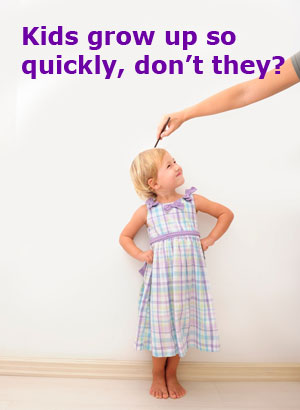
If this was used in woman’s language, according to Lakoff it
could be considered a sign of weakened language compared to men’s. But in this
advert it clearly is thought provoking and effective. The question at the end; ‘don’t
they?’ perhaps makes parents (who I think are the target audience of this
advert) think and reminisce about either children they have who have grown up,
or young children and thinking about their future. This doesn’t show weakness,
but that they are looking for you to think about the topic they are introducing,
and getting the audience involved.

Bibliography:
Friday, 7 March 2014
High frequency lexis grouping:
Text B-Recipe that appeared in a cookery magazine in 2004
Text C: An extract from a children's story called Mr Bump Loses his memory'
Text E: Transcript from a transaction in a newspaper's shop.
Text F: An extract from an IM conversation, taken from an internet forum.
In all four texts, high frequency lexis is used to communicate in an easy and understandable manner. The recipe in text B uses easy and straight forward sentences so the readers and can easily follow the instructions. Again; if the language was too difficult for people to understand, then the purpose of teaching people to cook the cake is pointless, as they wouldn't understand what they're supposed to be doing. Text C uses easy language so the children who are reading the book will understand what's happening, this helps with the purpose of entertaining the children, as if the language was too difficult then they wouldn't be able to understand and therefore not find it entertaining. Text E and F is a transcript/extract from a transcript, showing high frequency, everyday language, as they are performing everyday tasks, it would be unnecessary and not normal to have low frequency lexis. When having a conversation in a newspaper shop, you don't use high terminology, the purpose-in this case-is to settle his newspaper account, this doesn't take a huge amount of conversion or intellectual language. Nor does the conversation from the internet forum, which uses a lot of nonstandard language and abbreviations, perhaps because it is easier to type these that the whole word or sentence.
Text B-Recipe that appeared in a cookery magazine in 2004
Text C: An extract from a children's story called Mr Bump Loses his memory'
Text E: Transcript from a transaction in a newspaper's shop.
Text F: An extract from an IM conversation, taken from an internet forum.
In all four texts, high frequency lexis is used to communicate in an easy and understandable manner. The recipe in text B uses easy and straight forward sentences so the readers and can easily follow the instructions. Again; if the language was too difficult for people to understand, then the purpose of teaching people to cook the cake is pointless, as they wouldn't understand what they're supposed to be doing. Text C uses easy language so the children who are reading the book will understand what's happening, this helps with the purpose of entertaining the children, as if the language was too difficult then they wouldn't be able to understand and therefore not find it entertaining. Text E and F is a transcript/extract from a transcript, showing high frequency, everyday language, as they are performing everyday tasks, it would be unnecessary and not normal to have low frequency lexis. When having a conversation in a newspaper shop, you don't use high terminology, the purpose-in this case-is to settle his newspaper account, this doesn't take a huge amount of conversion or intellectual language. Nor does the conversation from the internet forum, which uses a lot of nonstandard language and abbreviations, perhaps because it is easier to type these that the whole word or sentence.
Friday, 28 February 2014
Text A: Extract from Obama's speech:
'The majority of those who died today were children - beautiful, little kids between the ages of 5 and 10 years old. They had their entire lives ahead of them - birthdays, graduations, weddings and kids of their own. Among the fallen were also teachers, men and women who dedicated their lives to helping out children fulfill their dreams.'
Text B: Advert
'YOU WON'T TELL YOUR MUMMY, WILL YOU?
If this makes you feel uncomfortable, imagine it makes them feel'
The obvious link between these two pieces are the common theme of children and danger, although the second one is a little more ambiguous and a different form, the purpose of both is still the same. They both are attempting to stand up for the innocence of children and stop a awful situation from happening - Obama being school shootings and gun use in general and the advert is to stop child abuse. Both maintain the image of the children being innocent and, in a way, weak. They portray a dominant adult state, perhaps giving the feeling that the older generation should be supporting and looking after them, and hinting at a degree of responsibility. This is shown by the 'your mummy' from text B, 'your mummy' is meant to be looking after you and guiding you, if something has happened that's not right, which is what this advert is hinting at, your parents should be among the first to know so they can support you. In turn; being responsible for them and their well-being.
However; the obvious difference is the hiding from the adult figure in text B and the loss that is shown in text A. In text A, the children are directly addressed - 'beautiful little kids...' - but in text B they are simply referred to as 'them', showing isolation and distance, this advert is not supposed to be aimed at children, and neither is the Obama's speech, but in text B they purposely don't use the word children, other than the fact of it being unneeded, it is a bigger impact since the identity is hidden, this could be any child, and not only is it child, its plural ('them'). Text A takes the approach of sympathy and empathy with the parents and teachers of the children, although Obama didn't know anything about these children, he still says they were 'beautiful' and would go on to have various occasions happen to them, such as birthdays and weddings etc, this plays with the emotions because although the primary purpose is to show his support for the families, it is also trying to say we need to do something about this, facing the situation of guns etc..
However; text B is simply about advertising and promoting the safety of children and bringing attention to the fact that child abuse is a thing and we do need to do something about it.
Target: trying to improve my explanations with the x does y to z strategy.
Task: Bullet pointing ideas using the strategy using different forms of text from the internet or newspapers. This will help me develop ideas and points I make to do with audience, form and purpose as every point I make about each individual audience, form or purpose will be stringed along with the other two, developing my work further.
Task: Bullet pointing ideas using the strategy using different forms of text from the internet or newspapers. This will help me develop ideas and points I make to do with audience, form and purpose as every point I make about each individual audience, form or purpose will be stringed along with the other two, developing my work further.
Saturday, 1 February 2014
Piece 1 (political speech): Video clip: http://www.youtube.com/watch?v=mwv5Q4R3pbM
Transcript: http://www.npr.org/2012/12/14/167275881/transcript-president-obamas-remarks-on-conn-school-shooting
Piece 2 (Educating Essex): Teacher: So, because you obviously want to pass your Art GCSE you made sure you went in to Mr Gowers coursework detention?
Student: Yeah, but I forgot
Teacher: There we are, thank you very much
Student: Ugh, that's silly though
Teacher: Sorry, do you want me to let you fail your GCSE's?
Student: I'm not going to fail!
Teacher: Do you want me to let you fail?
Student: No, but...
Teacher: ...unfortunately when your teacher says you need to do some study work, coursework, revision work or whatever, you need to attend. Okay, thank you, next.
Interview:
Interviewer: So nice to meet you, I'm a huge fan
No, I'm a huge fan
Interviewer: You're so incredibly talented in, in everything you do and I love this new movie that we'll talk about, and so um this really has been a couple of years for you, this kind of attention right?
Yeah, it hasn't been very long
Interviewer: Yeah, and are you used to it?
Totally! It's bizarre, but most of it actually centres in LA, so as soon as I leave LA, like nobody knows who I am or really cares so um
Interviewer: Really? Not yet!
It's almost offensive, so yeah if I'm in LA
Interviewer: You could carry around the magazines you're on the front of
Yeah, I'm just gonna get a t-shirt or just dress up as Katniss
Interviewer: With a bow and arrow
I've always wanted to dress up as Katniss and go out hiking
Interviewer: People are grabbing their dogs and out of the way! Where are you from originally?
Kentucky
Interviewer: Kentucky. And hows your mother enjoying your success?
Oh, she's very happy, she has more fun that I do, she called me one time recently when I just got into the academy which was very exciting for me, well that's exciting for any actor and I get a call from my mother when I was in England and she goes 'I did something hilarious' and I'm like 'what?' and she's like 'I voted' and I go 'voted for what?' 'the Oscars!' and I was like 'you voted for the Oscars? What do you mean?' she was like 'the ballet came here and I voted!' 'Cause she thought I would be like 'hahahaha, that's hilarious, I'm going to get kicked out of the academy' Fortunately she did it wrong and i think mailed it back to herself, So I got to do it again.
http://www.youtube.com/watch?v=frPxeO7JP90
Piece 4 (conversation between parent and child): http://www.youtube.com/watch?v=bqhsZm486Mw
Piece 5: (broadsheet piece)
http://www.theguardian.com/environment/2014/jan/30/flooding-experts-uk-adapt-climate-change
Transcript: http://www.npr.org/2012/12/14/167275881/transcript-president-obamas-remarks-on-conn-school-shooting
Piece 2 (Educating Essex): Teacher: So, because you obviously want to pass your Art GCSE you made sure you went in to Mr Gowers coursework detention?
Student: Yeah, but I forgot
Teacher: There we are, thank you very much
Student: Ugh, that's silly though
Teacher: Sorry, do you want me to let you fail your GCSE's?
Student: I'm not going to fail!
Teacher: Do you want me to let you fail?
Student: No, but...
Teacher: ...unfortunately when your teacher says you need to do some study work, coursework, revision work or whatever, you need to attend. Okay, thank you, next.
Interview:
Interviewer: So nice to meet you, I'm a huge fan
No, I'm a huge fan
Interviewer: You're so incredibly talented in, in everything you do and I love this new movie that we'll talk about, and so um this really has been a couple of years for you, this kind of attention right?
Yeah, it hasn't been very long
Interviewer: Yeah, and are you used to it?
Totally! It's bizarre, but most of it actually centres in LA, so as soon as I leave LA, like nobody knows who I am or really cares so um
Interviewer: Really? Not yet!
It's almost offensive, so yeah if I'm in LA
Interviewer: You could carry around the magazines you're on the front of
Yeah, I'm just gonna get a t-shirt or just dress up as Katniss
Interviewer: With a bow and arrow
I've always wanted to dress up as Katniss and go out hiking
Interviewer: People are grabbing their dogs and out of the way! Where are you from originally?
Kentucky
Interviewer: Kentucky. And hows your mother enjoying your success?
Oh, she's very happy, she has more fun that I do, she called me one time recently when I just got into the academy which was very exciting for me, well that's exciting for any actor and I get a call from my mother when I was in England and she goes 'I did something hilarious' and I'm like 'what?' and she's like 'I voted' and I go 'voted for what?' 'the Oscars!' and I was like 'you voted for the Oscars? What do you mean?' she was like 'the ballet came here and I voted!' 'Cause she thought I would be like 'hahahaha, that's hilarious, I'm going to get kicked out of the academy' Fortunately she did it wrong and i think mailed it back to herself, So I got to do it again.
http://www.youtube.com/watch?v=frPxeO7JP90
Piece 4 (conversation between parent and child): http://www.youtube.com/watch?v=bqhsZm486Mw
Piece 5: (broadsheet piece)
http://www.theguardian.com/environment/2014/jan/30/flooding-experts-uk-adapt-climate-change
Monday, 27 January 2014
Synthetic personalisation:
Synthetic personalisation is the technique of using 'you' or 'your' to make the reader feel personally addressed. The affect of this is making the reader feel as if the piece is written to them and only to them, further engaging the reader fully into the article. In the Beyonce advert, the technique of this is that the reader of the ad feels like the article is written for them and like they need the phone. 'At last a music phone that reflects both sides of your personality.' shows that the advert is written for you, like the phone was made with your needs and personality in mind, even though they know nothing about you, they say and imply that YOU need the phone.
Synthetic personalisation is the technique of using 'you' or 'your' to make the reader feel personally addressed. The affect of this is making the reader feel as if the piece is written to them and only to them, further engaging the reader fully into the article. In the Beyonce advert, the technique of this is that the reader of the ad feels like the article is written for them and like they need the phone. 'At last a music phone that reflects both sides of your personality.' shows that the advert is written for you, like the phone was made with your needs and personality in mind, even though they know nothing about you, they say and imply that YOU need the phone.
Friday, 10 January 2014
The findings from my twitter research suggested that age does reflect the way people type. I found that Beth-18, typed words in full, capitalised letters, however commas and full stops are missing, standard communication then deteriorates further in Heather-17 tweets, subtle differences such as 'cos' and 'kinda' slip into the tweets. It then gets more substandard by the next girl, Shona-16 who often uses such things as 'u' 'omg' and 'wtf' and then Nathalie-15 who says 'n' 'omfg' 'ffs' and 'ugh'. There is also a lack of capitalisation in all three 17, 16 and 15 year olds tweets and well as simple punctuation missing.
However; an issue that was raised was whether a tweet to someone should start with a capital letter or not, for example, a tweet made by Nathalie (15) said '@-male18- crying omfg(3 laughing emojis)' does the 'crying' start with a capital or not? Does the @ count as a name or just information, as in is it the start of the sentence or not?
However; an issue that was raised was whether a tweet to someone should start with a capital letter or not, for example, a tweet made by Nathalie (15) said '@-male18- crying omfg(3 laughing emojis)' does the 'crying' start with a capital or not? Does the @ count as a name or just information, as in is it the start of the sentence or not?
Friday, 8 November 2013
Transcript-analysis:
Person one mostly always says 'yes' which shows they are simply following instructions and not clarifying any by asking questions for more information. Perhaps if they asked questions the task would have gone better and we would have had a more similar drawings to each other, as instead of just drawing, we could ask for more information or for instructions to be said in a different way so we can understand them better. Person 2 mostly always starts their sentences with 'there is a...' or 'and then...' which shows clarity and confidence in their instructions. This could have given person 2 a sense of safety and also confidence, as if the person giving the instructions said a lot of 'ums' and 'kind of' it doesn't have a sense of accuracy as they are doubting themselves. It also isn't a definite sentence if it starts with 'maybe' and 'kind of' because it isn't exactly right, it is only maybe, or kind of right.
But their sentences structures show a sense of flowing to the transcript, there are long gaps and person 1 always says 'yes' after an instruction is given, showing good communication and flowing dialogue between the two, as well as patience. But also a hint of bluntness and possibly shyness, which could hinder the task as one person may not have the confidence to question the other person if they think something wasn't done to the best standard or correctly.
Person one mostly always says 'yes' which shows they are simply following instructions and not clarifying any by asking questions for more information. Perhaps if they asked questions the task would have gone better and we would have had a more similar drawings to each other, as instead of just drawing, we could ask for more information or for instructions to be said in a different way so we can understand them better. Person 2 mostly always starts their sentences with 'there is a...' or 'and then...' which shows clarity and confidence in their instructions. This could have given person 2 a sense of safety and also confidence, as if the person giving the instructions said a lot of 'ums' and 'kind of' it doesn't have a sense of accuracy as they are doubting themselves. It also isn't a definite sentence if it starts with 'maybe' and 'kind of' because it isn't exactly right, it is only maybe, or kind of right.
But their sentences structures show a sense of flowing to the transcript, there are long gaps and person 1 always says 'yes' after an instruction is given, showing good communication and flowing dialogue between the two, as well as patience. But also a hint of bluntness and possibly shyness, which could hinder the task as one person may not have the confidence to question the other person if they think something wasn't done to the best standard or correctly.
Monday, 14 October 2013
Twitter is gaining more followers
Are you on twitter yet? #getwithit
This generation are obsessed with telling people exactly what they're doing and when...why?
Ellie Saunder.
The Guardian.com, Monday 14th October 2013 14:20 BST

The Twitter logo; which I expect we'll be seeing more of.
Unlike facebook, unless you protect your tweets, anyone can see what you're saying and tweeting, however Twitter doesn't seem to be as personal as the likes of facebook. Tweets seem to be more generalized, and you can follow basically anyone you like, as long as they don't protect their tweets, anyone follows anyone who has a something in common with them. You can even follow your most loved celebrity if they have an account and keep up to date with them, sounds good ay.
However Twitter throws up trouble as well (what doesn't?), especially the constant hatred towards 'Beliebers' and 'Directioners' (I know, just bare with me) who are fans of the famous Justin Bieber and One Direction, which is thrown around using various hashtags. Hashtags are a way of making your tweet appeal to people who are also interested in that topic. This is a hashtag: # (ah, the subheading is making more sense now isn't it?) and you can put anything you like after it, as long it's got no spaces or punctuation. Then people can go to the search bar and search hashtags, and therefore stumbling upon your tweet. Amazing!
You don't need to tweet things to have a twitter account, it defeats the whole point of the website, but you can simply have a twitter account to read what other people say, follow friends, read news articles, the list is endless. However you wouldn't be the only one to do this if you did, you would be joining the estimated 40% of all Twitter users that do this already. You don't even need to send a request to follow someone if their Twitter isn't protected, why not give it a try #itssimple
Saturday, 12 October 2013
Monologue-Unreliable narrator
Background: A women is sat at a table with 2 police officers watching her from across the table. She is clearly nervous and is playing with her hands which lay calmly on the table. It is dark which stresses the paleness of the woman's face, she cannot make eye contact, she is deep in thought.
Monologue:
I know how it seems, (pause) you have to trust me though! I have never, ever touched drugs! Never! It is not something I would do?! (Looks at door, then back at hands) I don't know why the dog was interested in me, honestly. I am a moral woman who holds strong beliefs. A moral woman! Maybe I have touched something with drugs on? That explains it, that must be it! Right? (Silence. The woman stares at the police men, then slides down her chair) Please, I'm meant to be visiting my children, they've lived in Australia for almost 2 years. and I haven't seen them once! I live on my own, this is my only chance to talk to someone I really love! (The police look at each other and then write something down. The woman looks weary and fidgety, she sighs) Ok, Ok! My boyfriend, he takes recreational drugs, sometimes, rarely. Maybe I picked it up from our home, that works, please! Maybe he took it and had it on his hands and touched something in our home this morning, meaning I picked it up? Please let me see my child, I haven't seen him in about a year, my own son! Don't do this to me. (Woman bites at her fingernails and stares at door, he looks empty, plate and worried, almost suspicious. The woman talks, quietly) Why would I take drugs to an airport? (Sits up straight on chair and looks directly between the 2 police and talks in a medium tone) My sons, they love me so much. The day they were born was the best day of my life. They love me so much, they need me! They need their mother! Why would you deny them the pleasure of seeing their own Mum? Good luck with handling that on your conscious.
Monologue:
I know how it seems, (pause) you have to trust me though! I have never, ever touched drugs! Never! It is not something I would do?! (Looks at door, then back at hands) I don't know why the dog was interested in me, honestly. I am a moral woman who holds strong beliefs. A moral woman! Maybe I have touched something with drugs on? That explains it, that must be it! Right? (Silence. The woman stares at the police men, then slides down her chair) Please, I'm meant to be visiting my children, they've lived in Australia for almost 2 years. and I haven't seen them once! I live on my own, this is my only chance to talk to someone I really love! (The police look at each other and then write something down. The woman looks weary and fidgety, she sighs) Ok, Ok! My boyfriend, he takes recreational drugs, sometimes, rarely. Maybe I picked it up from our home, that works, please! Maybe he took it and had it on his hands and touched something in our home this morning, meaning I picked it up? Please let me see my child, I haven't seen him in about a year, my own son! Don't do this to me. (Woman bites at her fingernails and stares at door, he looks empty, plate and worried, almost suspicious. The woman talks, quietly) Why would I take drugs to an airport? (Sits up straight on chair and looks directly between the 2 police and talks in a medium tone) My sons, they love me so much. The day they were born was the best day of my life. They love me so much, they need me! They need their mother! Why would you deny them the pleasure of seeing their own Mum? Good luck with handling that on your conscious.
Thursday, 10 October 2013
The little market, innocent and pretty. Couples walking around hand in hand, ranging from 16 to 61 years old. Men and women sitting behind little stalls selling hats, swimming costumes, jewellery, and many different people walking around, smiling, laughing, observing their potential future purchases. The best time of day is when it gets dark, and they have little fairy lights hanging from their marquee and umbrellas, you can hear the waves falling calmly onto the shore and the calmness of the atmosphere. With the laughter of families and legions of yellow and orange ice-cream cups, it is impossible not to feel at home there. It's clean; not a drop of litter on the floor, not a speck of dirt on the brick ground. And the best thing is; is there are no horrible Seagulls, no calling of the Seagulls filling the air and interrupting the sound of the peaceful sea. This place is sounding like a magical, mysterious place right? You're wrong. This beautiful place is Saint-Vincent-de-Tyrosse in the south of France, and I dare you to go there and say anything in this paragraph is wrong.
Bon voyage.
Monday, 30 September 2013
http://reflektorreviews.blogspot.co.uk/2013/09/arctic-monkeys-am.html
This is a review of Calums review of Arctic Monkeys album 'AM'
Calum starts of by introducing you to the band and setting the scene, the opening quote of song lyrics is effective as it gives you a taste of what the Arctic Monkeys are about, and a sense of their music style. Before Calum starts the review of the album he gives you a taste of the band and their history with facts told in a story-like way, this makes it more interesting than just listing the facts themselves. He also uses some idiolect and refers to the band as 'the labs'. This removes the formality of the piece, making it a lighter read and more blog-like.
Calum uses interesting comparisons that relate to the majority of people, things such as 'But is the act convincing? Yes, and no. AM has it's high and low points. At times, it seems almost like Turner and co fit the shoe of leather clad American bikers, but all too often AM sounds a bit like it's wearing a faux leather jacket from Primark' The humour of the comparison is typical to what we would usually find on a blog, its easy humour that most, if not all, will understand and this makes the piece seem less heavy than a basic review we would find else where. The comparisons carry on with 'But then on the flipside Mad Sounds is just like a Sainsbury's Basics version of Lou Reed's Walk On The Wild Side,' another easy to understand joke that makes the piece more friendly. Calum is putting the songs down but not in a mean way, he is subtle about it, this is clever as both sides of points of view are told, with appreciation and disappointment shown.
All the way through the review Calum gives information on the band and Turner (front man of the band) in a way that fits in with the review. '...the latter of the two being a version of John Cooper Clarke's classic poem which Turner first encountered in GCSE English' gives an insight to the song without going off topic and making the piece heavy and dull.
The end paragraph contains some rhythm 'But despite the album's assets, it features a lot of filler, and the album's second side is almost all thriller, no killer,' this gives pace to the review, keeping it fresh, and as it slowly ends it doesn't finish badly, the quality of the writing, skill and humour is carried through out the piece, keeping it interesting and light; in my opinion these are the main and better features of a blog post.
Calum ends the piece with a hit to the band 'AM is a good album, but definitely an album of a band past their career peak, and beginning to 'lose it'.' leaving no doubt or second guessing in the readers mind of where Calums opinions stand with this album.
This is a review of Calums review of Arctic Monkeys album 'AM'
Calum starts of by introducing you to the band and setting the scene, the opening quote of song lyrics is effective as it gives you a taste of what the Arctic Monkeys are about, and a sense of their music style. Before Calum starts the review of the album he gives you a taste of the band and their history with facts told in a story-like way, this makes it more interesting than just listing the facts themselves. He also uses some idiolect and refers to the band as 'the labs'. This removes the formality of the piece, making it a lighter read and more blog-like.
Calum uses interesting comparisons that relate to the majority of people, things such as 'But is the act convincing? Yes, and no. AM has it's high and low points. At times, it seems almost like Turner and co fit the shoe of leather clad American bikers, but all too often AM sounds a bit like it's wearing a faux leather jacket from Primark' The humour of the comparison is typical to what we would usually find on a blog, its easy humour that most, if not all, will understand and this makes the piece seem less heavy than a basic review we would find else where. The comparisons carry on with 'But then on the flipside Mad Sounds is just like a Sainsbury's Basics version of Lou Reed's Walk On The Wild Side,' another easy to understand joke that makes the piece more friendly. Calum is putting the songs down but not in a mean way, he is subtle about it, this is clever as both sides of points of view are told, with appreciation and disappointment shown.
All the way through the review Calum gives information on the band and Turner (front man of the band) in a way that fits in with the review. '...the latter of the two being a version of John Cooper Clarke's classic poem which Turner first encountered in GCSE English' gives an insight to the song without going off topic and making the piece heavy and dull.
The end paragraph contains some rhythm 'But despite the album's assets, it features a lot of filler, and the album's second side is almost all thriller, no killer,' this gives pace to the review, keeping it fresh, and as it slowly ends it doesn't finish badly, the quality of the writing, skill and humour is carried through out the piece, keeping it interesting and light; in my opinion these are the main and better features of a blog post.
Calum ends the piece with a hit to the band 'AM is a good album, but definitely an album of a band past their career peak, and beginning to 'lose it'.' leaving no doubt or second guessing in the readers mind of where Calums opinions stand with this album.
The Victim by Frank Wedekind
The monologue is about a girl who meets a man who falls in love with her, she is very innocent and doesn't know what to do and asks for advice from her friend. The girl slowly falls in love with the man and the man changes, he suddenly is cold towards her and doesn't want to kiss her goodbye, although she asks. The girl doesn't know what she has done and tries very hard to please this man, who is finally happy when she 'proves' her love and then moves in to his flat to be his mistress. His happiness and content doesn't last long as he moves and leaves her without any warning for another woman, out of sadness and hurt, it is hinted that the girl now works at a brothel.
The innocence in this monologue is radiated by her nativity towards her situation, almost like she doesn't want to see the truth because she knows it will only disappoint her. 'Then I wrote it down and asked Cilly,', 'I decided to ask Cilly' and 'I asked Cilly.' shows she wants to hear from someone else what is happening, she can not face the truth by herself, I think she needs to hear it out loud from someone else to be able to see exactly what he's doing as she thinks its her that has done something wrong. Cilly is a trusted person in her life and she uses her name and repeats it, when no other name is mentioned. This also includes an element of mystery as you never know anyone's name apart from Cilly, you don't know much about them at all, the girl always refers to the man as 'My lover' or simply 'him'. As she is speaking of the past I think this shows denial and unwillingness to face what happened, as I think she is holding him accountable of what she turned into. I think this because the audience are never given a chance to like the character as he is so anonymous and unknown to them, they are only given small details about his life that aren't enough to form an opinion, and at the end she says 'My lover had told me that there were women in Zurich who took young girls to sell them and to suck their last drop of blood. I asked a policeman who saw me sitting on a street corner where to find such a woman.' like it was his idea and without him saying that, she never would have taken that road.
I also think the way the piece is grammatically written is effective, the short sentences and comer breaks mixed with the long sentences gives the impression that a lot of information is being given, when it is not. They also show her negativity towards the situation. 'It was midwinter, one evening at nine o'clock. I had been at work two years.' the information is almost list like and this sets the opening of the monologue as quite abrupt and gives the feeling that she doesn't want to dwell on what happened. The danger is shown at the beginning of the piece by the storm and her 'slipping' as well as the men looking at her, and she takes it as flattery, also showing innocence. The night she meets 'her lover' is the night of a terrible storm which reflects in the danger we expect from the title 'The Victim' we expect something horrible to happen from the start.
The monologue is about a girl who meets a man who falls in love with her, she is very innocent and doesn't know what to do and asks for advice from her friend. The girl slowly falls in love with the man and the man changes, he suddenly is cold towards her and doesn't want to kiss her goodbye, although she asks. The girl doesn't know what she has done and tries very hard to please this man, who is finally happy when she 'proves' her love and then moves in to his flat to be his mistress. His happiness and content doesn't last long as he moves and leaves her without any warning for another woman, out of sadness and hurt, it is hinted that the girl now works at a brothel.
The innocence in this monologue is radiated by her nativity towards her situation, almost like she doesn't want to see the truth because she knows it will only disappoint her. 'Then I wrote it down and asked Cilly,', 'I decided to ask Cilly' and 'I asked Cilly.' shows she wants to hear from someone else what is happening, she can not face the truth by herself, I think she needs to hear it out loud from someone else to be able to see exactly what he's doing as she thinks its her that has done something wrong. Cilly is a trusted person in her life and she uses her name and repeats it, when no other name is mentioned. This also includes an element of mystery as you never know anyone's name apart from Cilly, you don't know much about them at all, the girl always refers to the man as 'My lover' or simply 'him'. As she is speaking of the past I think this shows denial and unwillingness to face what happened, as I think she is holding him accountable of what she turned into. I think this because the audience are never given a chance to like the character as he is so anonymous and unknown to them, they are only given small details about his life that aren't enough to form an opinion, and at the end she says 'My lover had told me that there were women in Zurich who took young girls to sell them and to suck their last drop of blood. I asked a policeman who saw me sitting on a street corner where to find such a woman.' like it was his idea and without him saying that, she never would have taken that road.
I also think the way the piece is grammatically written is effective, the short sentences and comer breaks mixed with the long sentences gives the impression that a lot of information is being given, when it is not. They also show her negativity towards the situation. 'It was midwinter, one evening at nine o'clock. I had been at work two years.' the information is almost list like and this sets the opening of the monologue as quite abrupt and gives the feeling that she doesn't want to dwell on what happened. The danger is shown at the beginning of the piece by the storm and her 'slipping' as well as the men looking at her, and she takes it as flattery, also showing innocence. The night she meets 'her lover' is the night of a terrible storm which reflects in the danger we expect from the title 'The Victim' we expect something horrible to happen from the start.
Saturday, 21 September 2013
Repost: What We See is Not What We Always Get
What We see is Not What We Always Get
3rd August 2013
A Refection on the film Every Child is Special.
To Perceive beyond what your eyes can see, it means to say a certain thing, that every child is special.
If there is a very young child who cannot perform well in school and is not able to compete in academics with the other children of this age, will that be enough to declare that he is as an idiot? Considering how the society defined excellence, does learning grammar or mathematics in a slower manner as compared to an "average" child indicate that he is incompetent? Is there no other way to understand the reasons why do things occur? Cannot we view art in the world of science and vice versa? Is not knowledge integrated that limits on how we find solutions in a problem are infinite? Let us not get fixated on the standards about what we have to do, it must be ourselves who set standard, by that, we can be subjective and look at things in different perspectives.
Life is neither just about school nor about our jobs, not solely protocols nor creativity. To truly live is to enjoy and maintain balance in every aspect of it. There are geniuses who did not finish school and, at the same time, there are still foolish " experts" even after obtaining their post graduate degrees.
Only if we consider that everyone has a gift, everyone is capable to excel in his own way, it is the time that what we believe in will prevail.
I like this piece of writing because of the way it engages with the reader. The change of perspective from 'your' to 'his' to 'we' (2nd person to 3rd person to 1st person) guides the reader into taking the opinion of the writer, as it takes the reader through the writers opinion by making them feel as if they are belonging in that group. The starting use of 'your' gives the sense of loneliness as it is just yours, but then is shows 'he' also agrees with you, and at the end its actually 'we', and 'we' are all together for this. The rhetorical questions are also effective as they make the reader think without having to guide them completely, as they are biased questions, starting with 'Cannot we view...' and 'Is not knowledge...' they lean the reader into making a decision without having to add extra detail to make the piece long. The shortness of the piece makes it easier to stay involved, as the piece is packed with questions and opinionated facts, the length of the piece is a good length as it is not too long and dreary, or too short and not have an effect.
What We see is Not What We Always Get
3rd August 2013
A Refection on the film Every Child is Special.
To Perceive beyond what your eyes can see, it means to say a certain thing, that every child is special.
If there is a very young child who cannot perform well in school and is not able to compete in academics with the other children of this age, will that be enough to declare that he is as an idiot? Considering how the society defined excellence, does learning grammar or mathematics in a slower manner as compared to an "average" child indicate that he is incompetent? Is there no other way to understand the reasons why do things occur? Cannot we view art in the world of science and vice versa? Is not knowledge integrated that limits on how we find solutions in a problem are infinite? Let us not get fixated on the standards about what we have to do, it must be ourselves who set standard, by that, we can be subjective and look at things in different perspectives.
Life is neither just about school nor about our jobs, not solely protocols nor creativity. To truly live is to enjoy and maintain balance in every aspect of it. There are geniuses who did not finish school and, at the same time, there are still foolish " experts" even after obtaining their post graduate degrees.
Only if we consider that everyone has a gift, everyone is capable to excel in his own way, it is the time that what we believe in will prevail.
I like this piece of writing because of the way it engages with the reader. The change of perspective from 'your' to 'his' to 'we' (2nd person to 3rd person to 1st person) guides the reader into taking the opinion of the writer, as it takes the reader through the writers opinion by making them feel as if they are belonging in that group. The starting use of 'your' gives the sense of loneliness as it is just yours, but then is shows 'he' also agrees with you, and at the end its actually 'we', and 'we' are all together for this. The rhetorical questions are also effective as they make the reader think without having to guide them completely, as they are biased questions, starting with 'Cannot we view...' and 'Is not knowledge...' they lean the reader into making a decision without having to add extra detail to make the piece long. The shortness of the piece makes it easier to stay involved, as the piece is packed with questions and opinionated facts, the length of the piece is a good length as it is not too long and dreary, or too short and not have an effect.
Subscribe to:
Posts (Atom)